Office Hours: 08:30am-5:30pm
shape

OUR SUSTAINABILITY COMMITMENT

Sustainability at KCG Textile Egypt

Sustainability is embedded in our manufacturing journey. From renewable energy and water efficiency to recycling and circular initiatives, we are committed to building a more responsible textile future through measurable actions across our factory operations.

Sustainability strategy is built around three main pillars: Energy, Water, and Material/Waste Management. These priorities support our long-term vision to reduce environmental impact, improve resource efficiency, and strengthen responsible textile manufacturing across our operations.

By 2030, KCG Textile Egypt aims to achieve 100% renewable electricity, major water reduction versus baseline levels, expanded water recycling, and zero-waste-to-landfill progress through stronger recycling and recovery systems

about

Powering a sustainable future with clean solar energy solutions.

Our Projects

Our Sustinability Investments

feature
feature
feature

KCG Green Strategy

What Is KCG’s Sustainability Focus?

We advance our energy strategy through solar, renewable electricity, efficiency projects, electrification, and IREC certifications, while ISO 50001 and machine improvements reduce energy use.

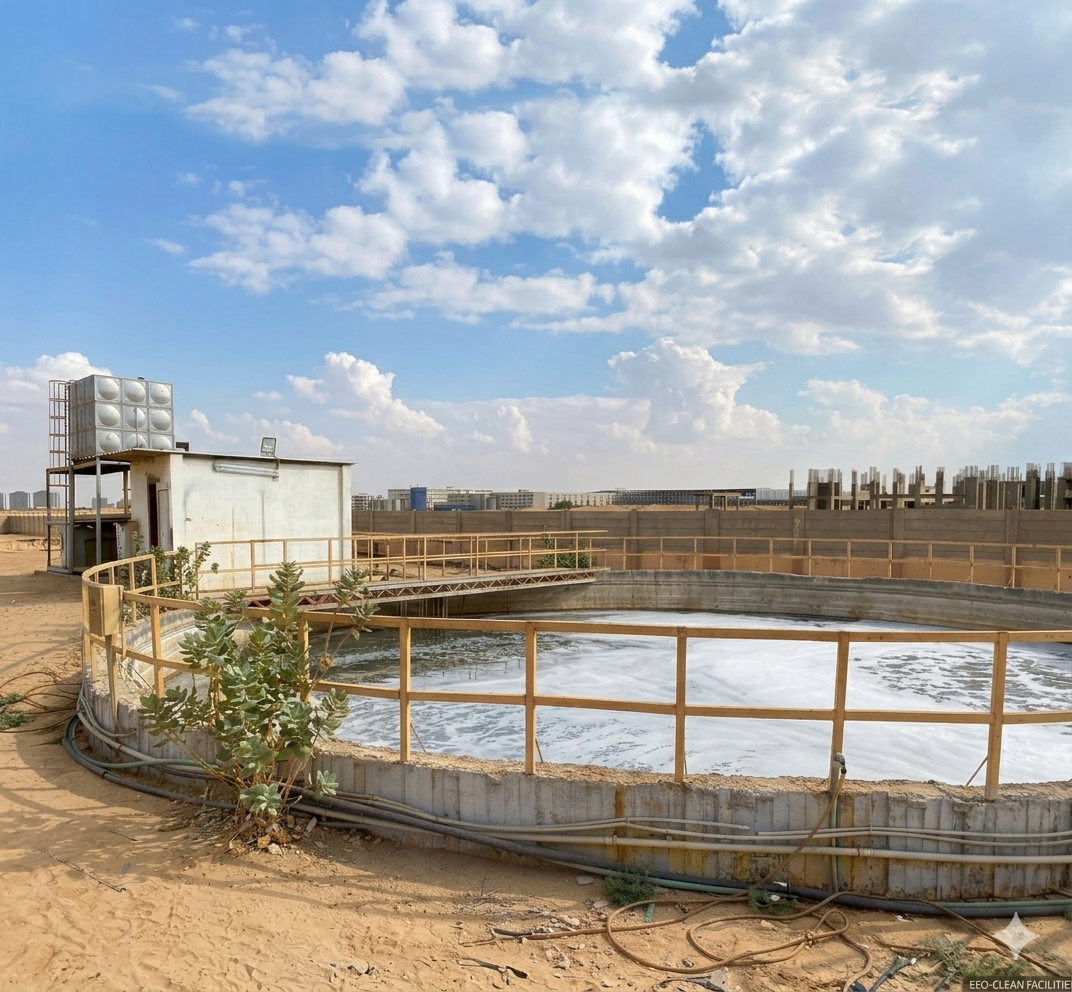
KCG reduces water use through process optimization, wastewater treatment, recycling, and zero liquid discharge, with ongoing dyeing and finishing initiatives already saving water and further recycling projects planned to cut freshwater use.

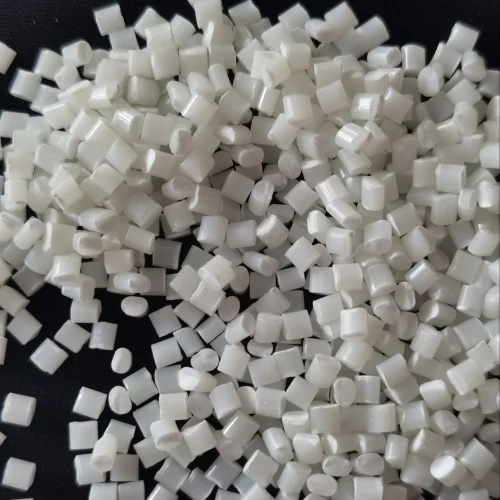
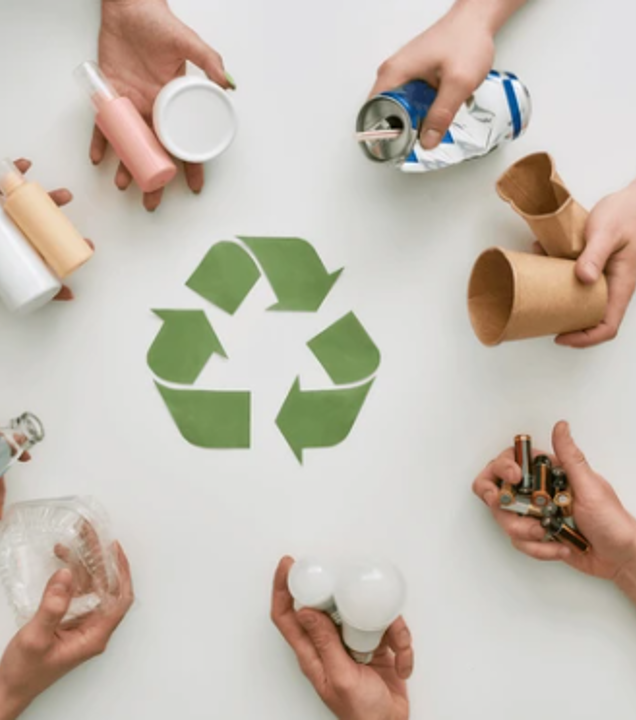
Our waste strategy focuses on recycling, landfill diversion, and circularity—recycling non-hazardous waste, sending hazardous waste to certified energy recovery, and advancing textile-to-textile recycling to reduce waste and boost material recovery.

We are certified to ISO 50001, ISO 14001, SEDEX, and GRS, supporting energy efficiency, environmental responsibility, ethical supply chains, and sustainable production.

By 2030, we aim for 100% renewable energy through onsite generation and IREC, full electrification and ISO 50001 energy management, along with major water reduction via recycling, zero liquid discharge, and full wastewater treatment compliance, and achieving zero waste to landfill through full recycling, hazardous waste recovery, and circular economy integration.
faq